Differences between RBKollors Inorganic Line and organic pigments
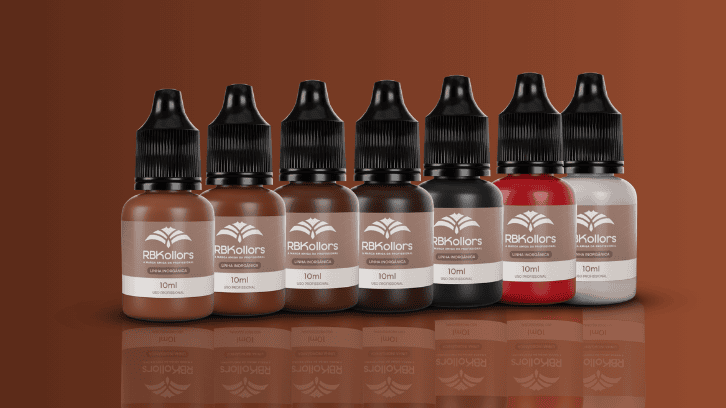
Discover the colors and results of the RBKollors Inorganic Line
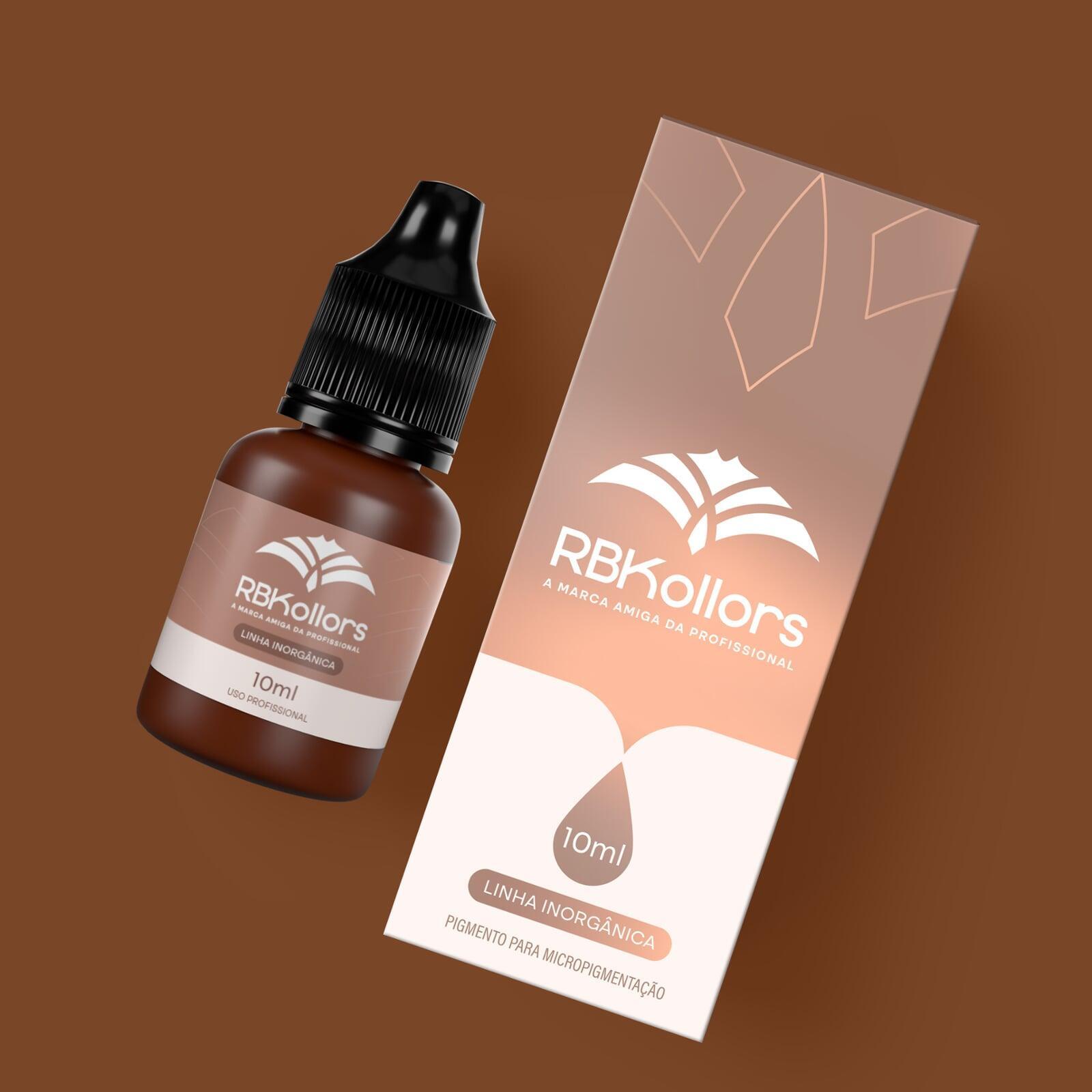
Brownie
Brownie
Characteristics: neutral dark brown
Objective: used for skin type 4 and 5 (shadow and hair stroke)
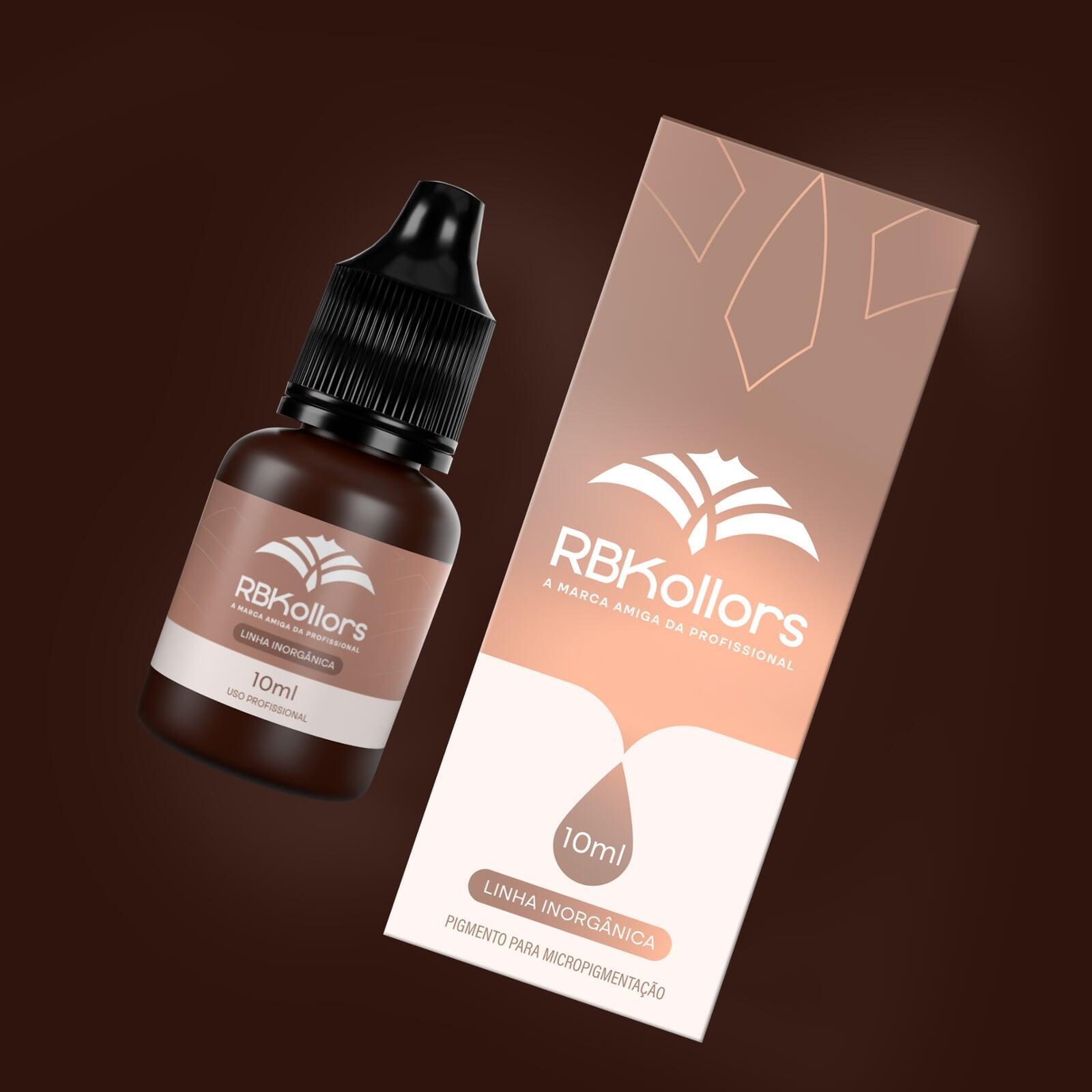
Brownie Extra Dark
Brownie Extra Dark
Characteristics: cold dark brown
Objective: used for skin type 5 (shadow and hair stroke)
Odense
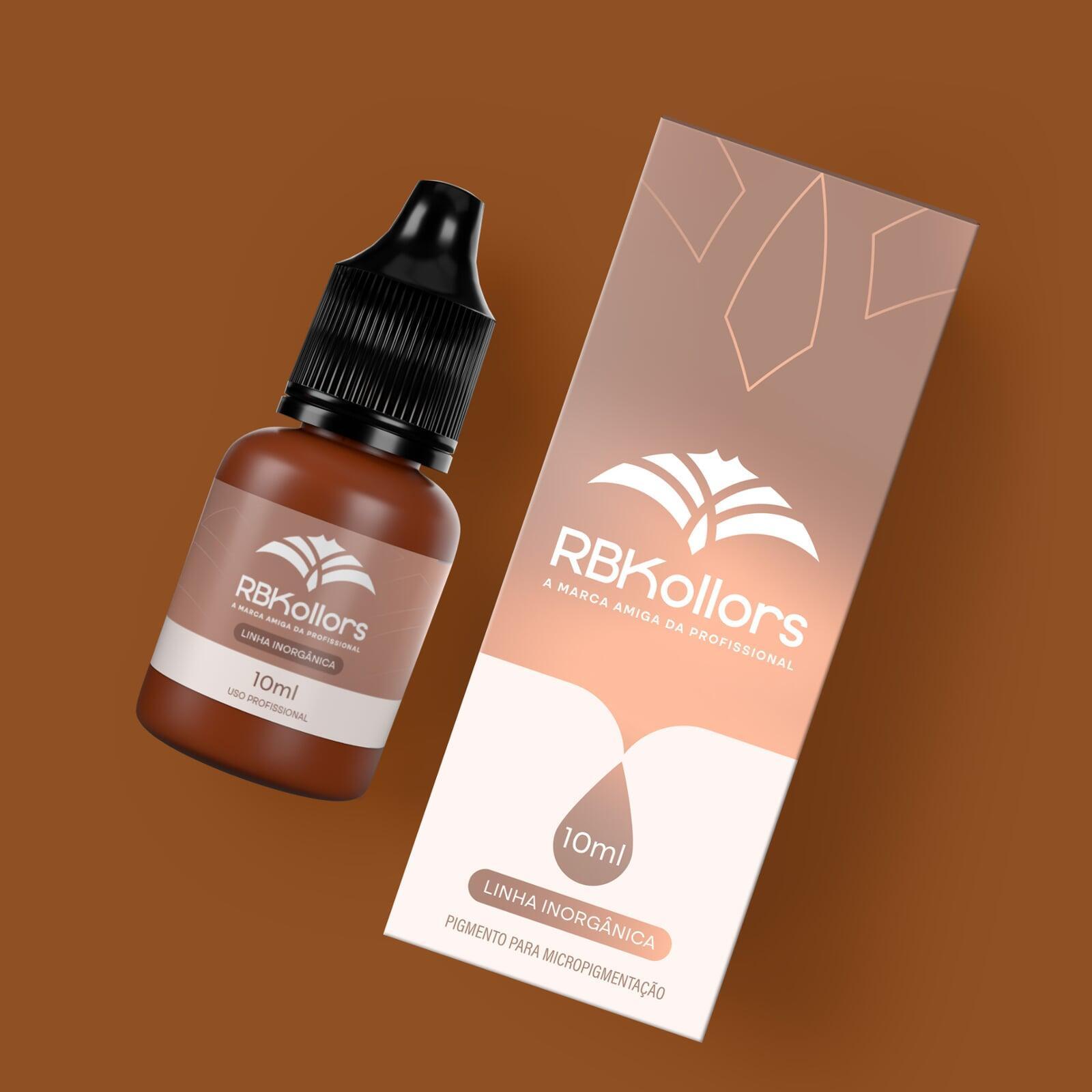
Odense
Characteristics: medium brown heated
Objective: used for skin type 3 and 4 ((shadow and hair stroke)
Ombré Line
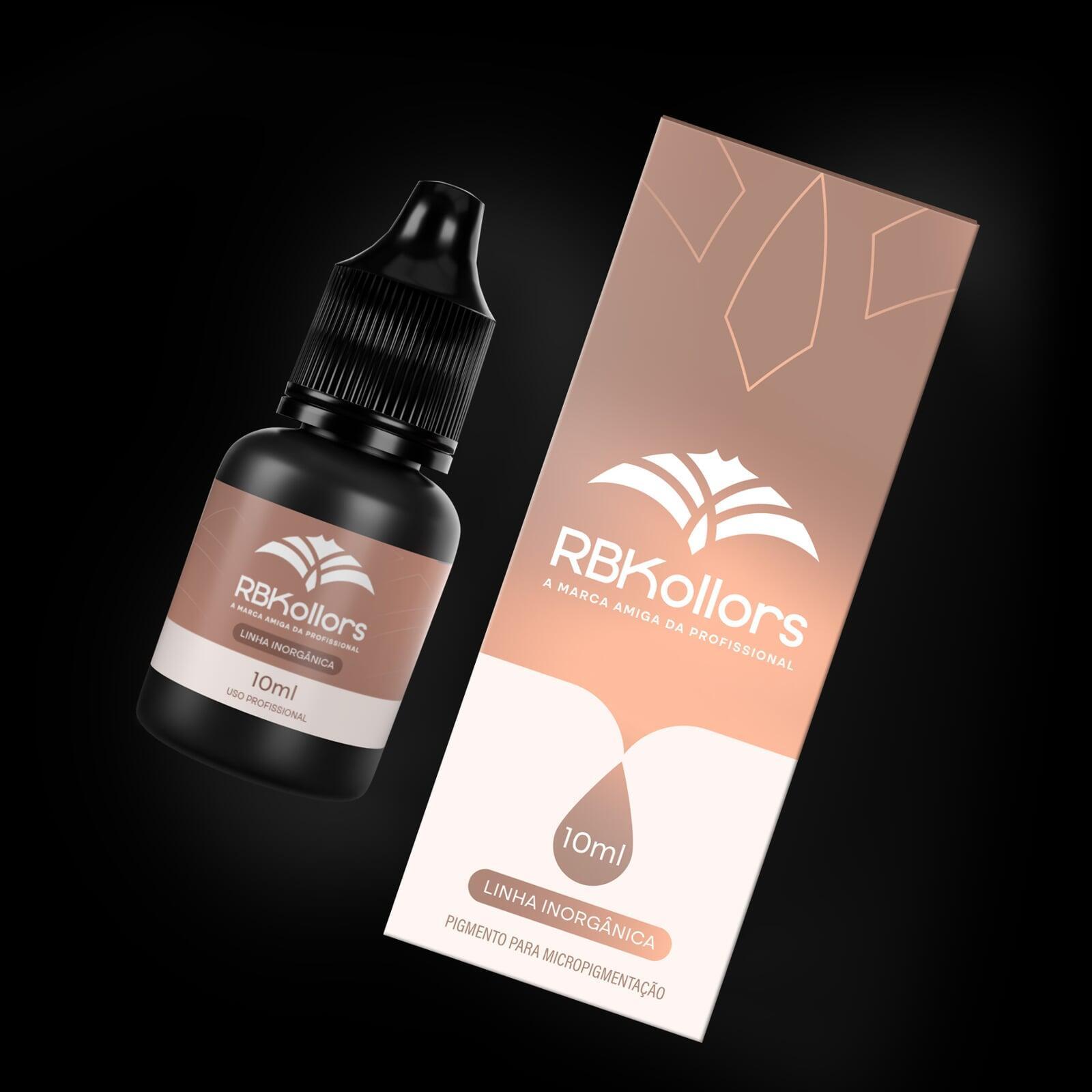
Ombré Line
Characteristics: pure black
Objective: used for skin type 6 (shadow and hair stroke); skin type 3, 4 and 5 for hair stroke; used to outline eyes
Shadow Extra Light
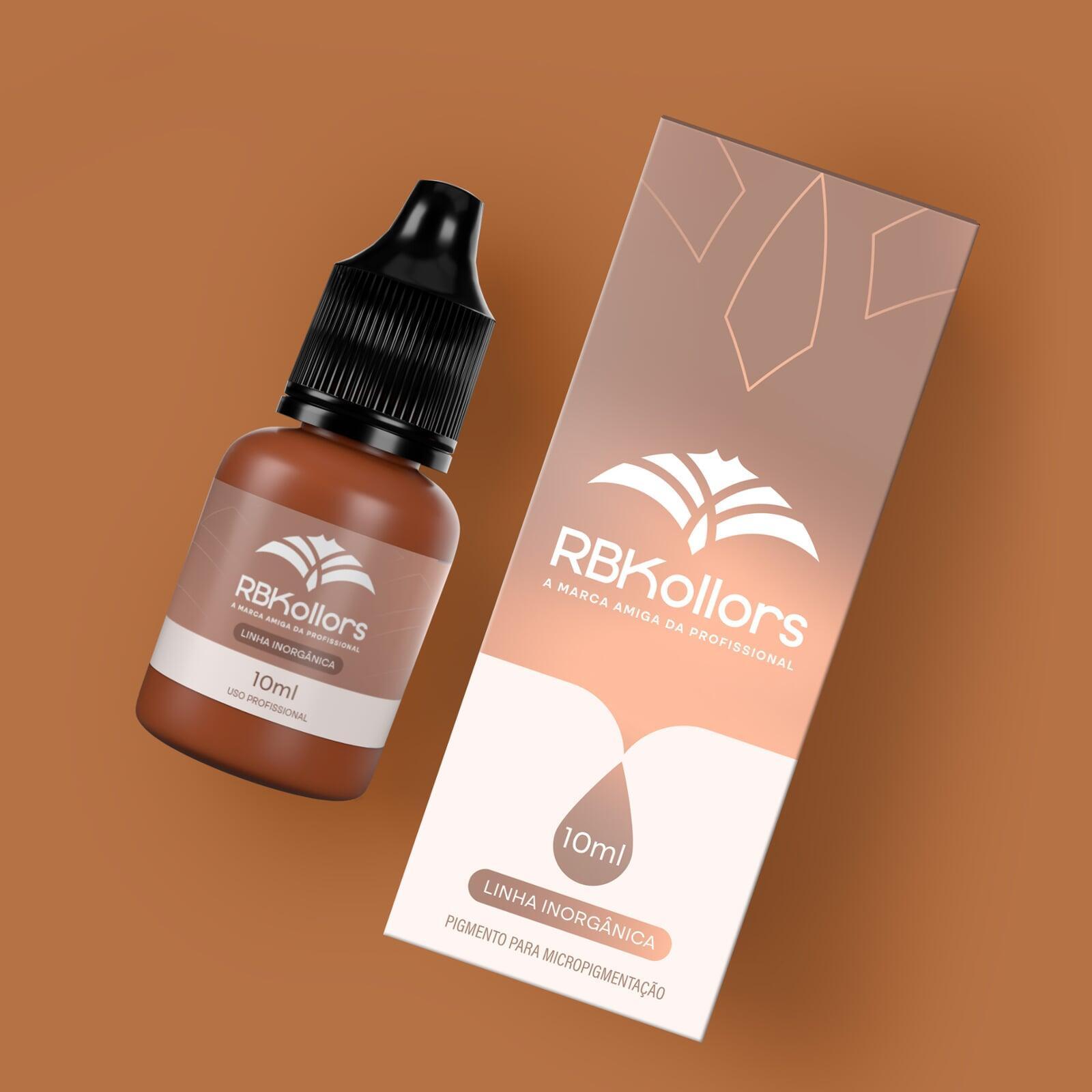
Shadow Extra Light
Characteristics: cold light brown
Objective: used for skin type 1 and 2 (shadow and hair stroke)
Obs: Platinum and elderly blondes with white hairs
Hot Repair
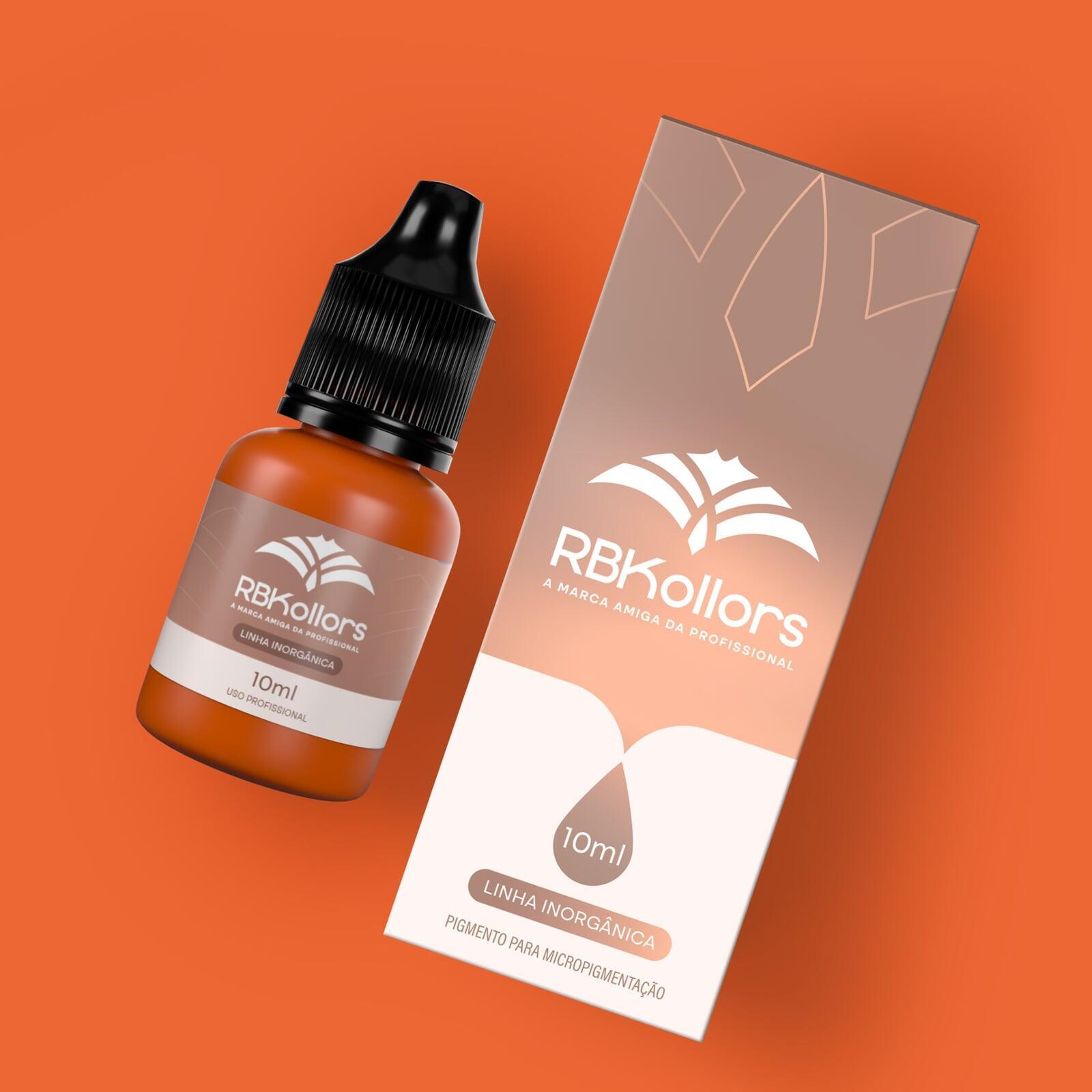
Hot Repair
Characteristics: hot orange
Objective: used to neutralize grayish colors and warm up other tones
White
White
Characteristics: pure white
Objective: use with caution in specific techniques according to the professional's learning